
What’s Next of U.S.-Central Asia Relations after the C5+1, November 7, 2025
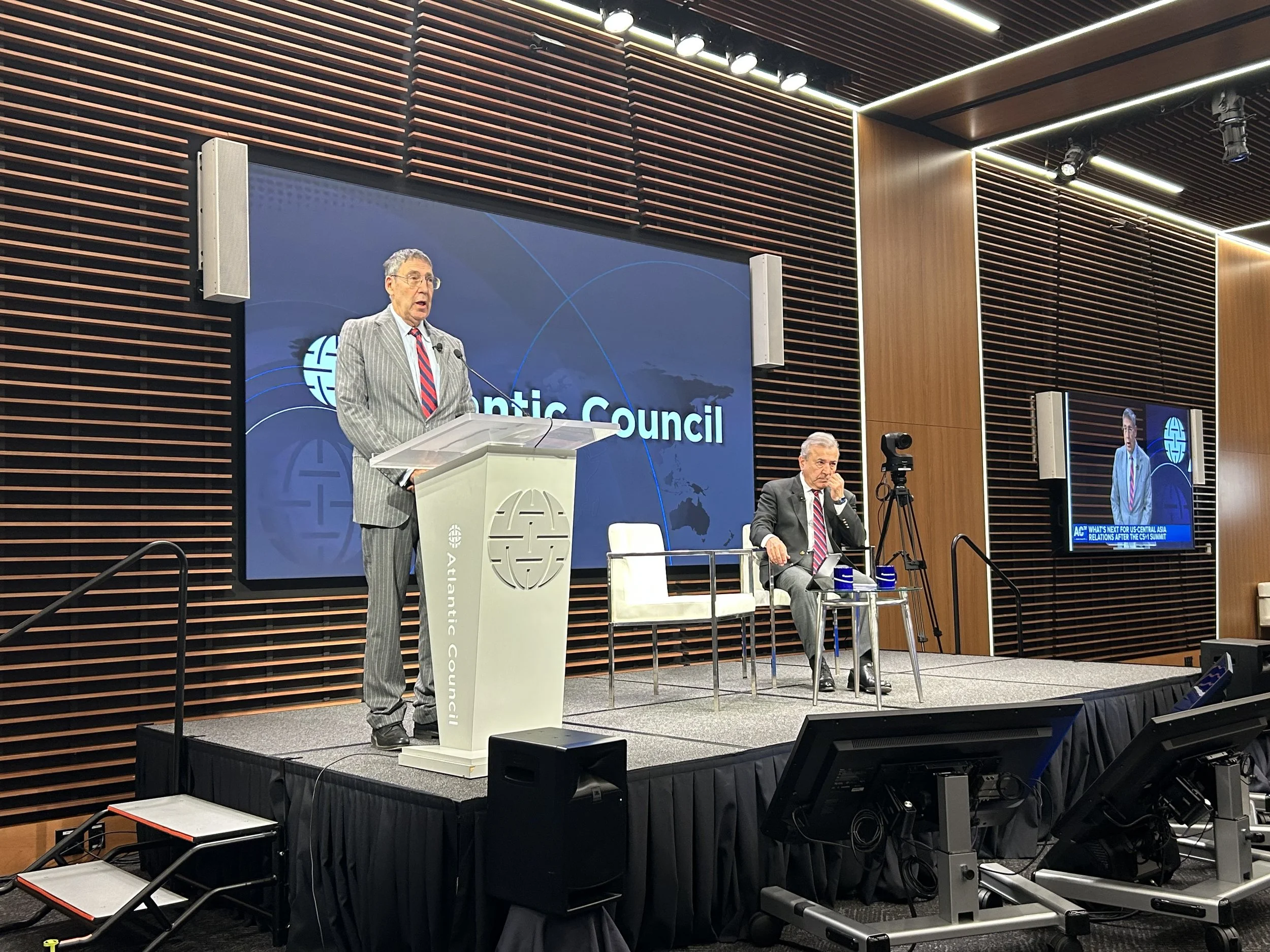
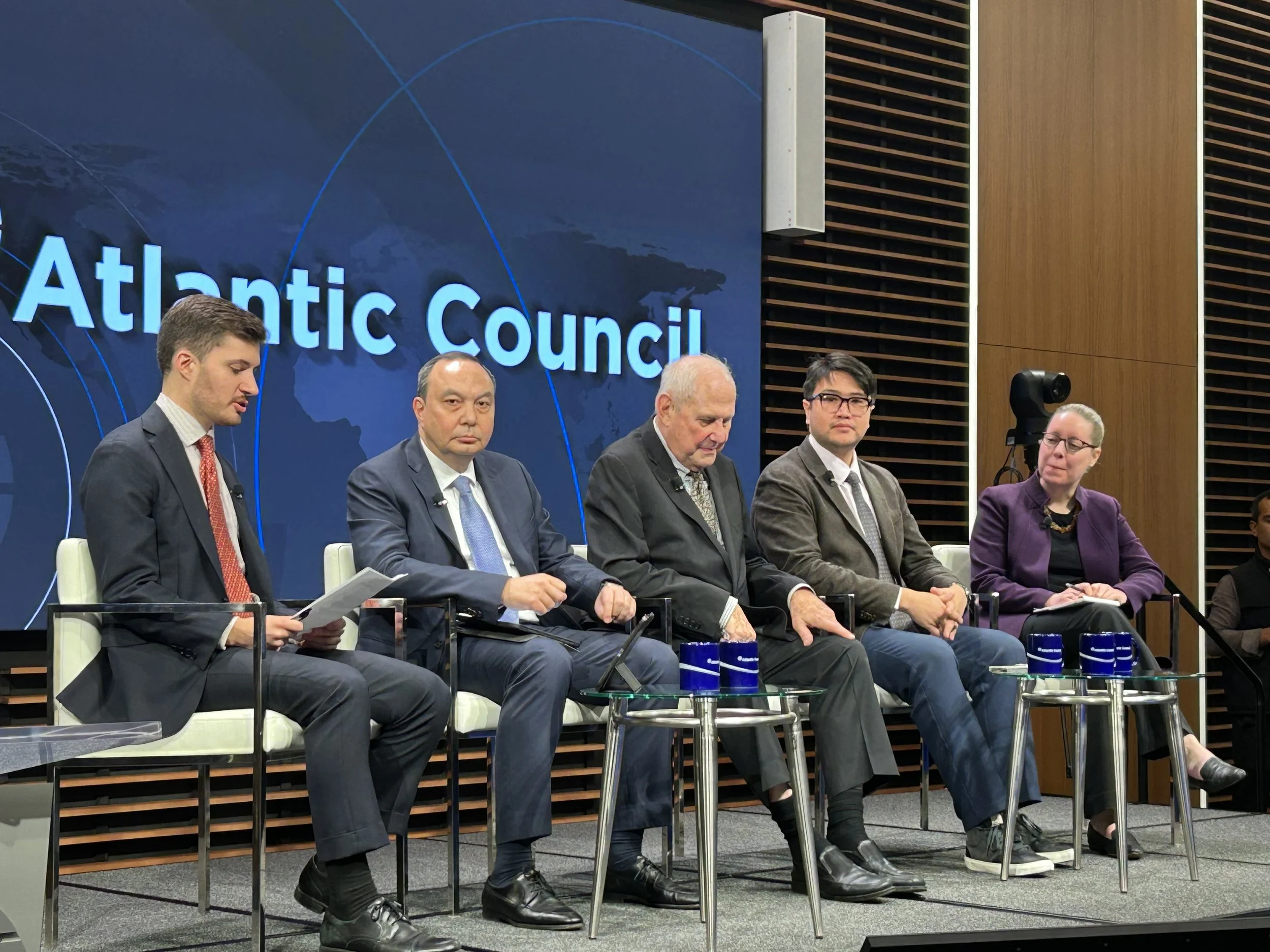
On November 7, 2025, the Atlantic Council’s Eurasia Center hosted a forum titled “What’s Next for U.S.–Central Asia Relations after the C5+1 Presidential Summit” to follow up on the summit held in Washington, D.C. on November 6.
The event gathered policymakers, regional experts, and stakeholders to discuss how the United States and the five Central Asian republics can build on the momentum of the summit to deepen economic cooperation (especially around critical minerals and connectivity), reinforce security ties, and institutionalise frameworks for long-term investment and engagement.
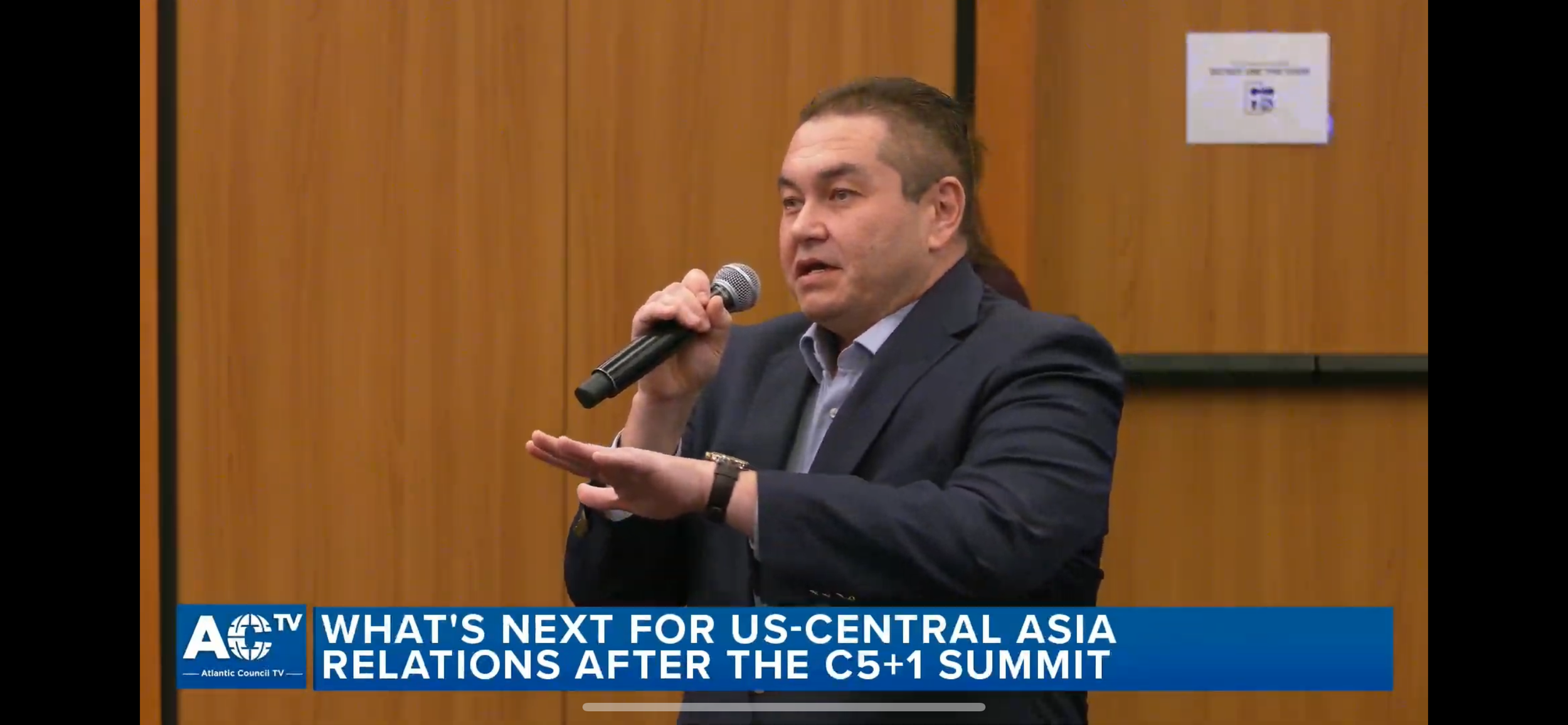
Representing the Center for Global Civic and Political Strategies, Nurul Rakhimbek, CGCPS’s President, posed a question during the Q&A segment regarding the robustness of due-diligence mechanisms in US-Central Asia engagements. In particular, Nurul raised concerns that some companies in Kazakhstan may be implicated in sanctions-evasion activities, and asked how these risks would be identified, mitigated, and prevented from undermining the credibility and integrity of future cooperation.
While the forum did not offer direct public confirmation of specific companies or sanctioned entities, the broader discourse acknowledged that trade and connectivity routes in Central Asia are subject to scrutiny for corruption, transit transparency and potential misuse. As such, the importance of rigorous due diligence, transparency frameworks, and accountability mechanisms was emphasised as a foundational component of sustainable US engagement in the region.
The question is addressed at 2:34:00 please check the video on Atlantic Council official website: https://www.atlanticcouncil.org/event/whats-next-for-us-central-asia-relations-after-the-c51-summit/
